Kitchen Utensils Embroidery Design Set Review for Craft Fairs
As an experienced embroidery designer who regularly prepares products for craft fairs and handmade markets, I’ve reviewed countless digital embroidery files. The Kitchen Utensils Embroidery Design Set caught my eye not just for its charm but for its potential to stand out on a booth table filled with creative goods. Let’s dive into how this design performs across different product types, what makes it visually appealing, and the practical considerations you should know before turning it into your next bestseller.
A Warm and Cozy First Impression
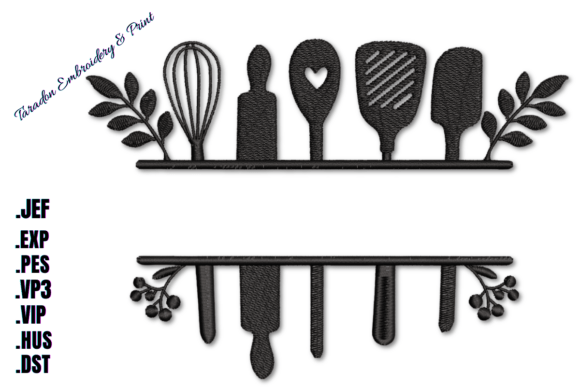
The Kitchen Utensils Embroidery Design Set immediately gives off a cozy, farmhouse vibe. It features a beautifully detailed shelf of hand tools—think whisks, ladles, and spatulas—arranged in a neat, whimsical display that feels both nostalgic and modern. This kind of imagery resonates well with customers looking for homey, relatable designs that reflect their personal style or love for cooking and baking. Whether your brand leans rustic or more contemporary, this design has the versatility to fit right in.
Its soft aesthetic and attention to detail suggest a premium feel, even if the final product is casual like a tea towel or apron. The title and description hint at something that adds a “homemade touch,” which is music to the ears of any Etsy seller or boutique maker aiming to create heartfelt, gift-worthy items.
How It Performs on Different Products
Embroidery designs can shine or fall flat depending on the item they’re stitched onto. Here’s how the Kitchen Utensils Embroidery Design Set fares across popular craft fair products:
- Tote Bags: A large-scale version of this design looks stunning on canvas or linen totes. It commands attention and fits perfectly as a central graphic for shoppers who want a bag that doubles as kitchen décor.
- Aprons: Apron embroidery needs to be both functional and decorative. This design works especially well on the front panel or as a small accent near the pocket, adding character without being distracting.
- Tea Towels: The clean lines and soft colors of the design translate well onto cotton towels. When paired with subtle thread shading, it becomes a standout piece of kitchen décor.
- Patches: Smaller versions of the design can be turned into embroidered patches for hats, jackets, or bags. They offer a charming accessory for those who appreciate vintage-style details.
- Caps: For curved surfaces like baseball caps, consider using only the most iconic utensil elements. Stitch density must be adjusted carefully to avoid puckering.
- Fabric Pouches: These are perfect for mini-sized designs. A pouch with a single utensil stitched neatly can serve as a cute spice container or utensil holder.
- Pillow Covers: The design looks elegant when placed centrally on a square pillow cover. It adds a decorative flair to living room or kitchen spaces, making it ideal for handmade gift sets.
- Handmade Gifts: Think embroidered oven mitts, market bags, or custom tea towels. This set offers a cohesive theme that’s easy to package and market as a gift bundle.
- Booth Samples: Displaying this design on multiple fabric types helps showcase its adaptability. Use a mix of light and dark tones to highlight stitch clarity and color contrast.
What Sells at Craft Fairs: Practical Appeal
In the fast-paced environment of a weekend craft fair, visual impact is key. The Kitchen Utensils Embroidery Design Set stands out because it tells a story at a glance. Customers instantly recognize it as a kitchen-themed design, which aligns well with seasonal or holiday shopping trends.
It also works exceptionally well as a focal point rather than a background pattern. Unlike minimalistic designs that require clever placement or text, this one naturally draws the eye. As a result, it can elevate a simple tote bag or apron into a high-value craft fair product.
For online listings, this design photographs beautifully. The softness of the thread work and the intricate layout make it look handmade and high-quality in photos, especially when shot against natural backdrops like wood or stone. That means strong visuals for your Etsy shop or printable mockups for pre-orders.
Production Tips for Maximum Profit
When preparing embroidery files for batch production, here are some notes based on real-world testing and experience:
- Test on Scrap Fabric: Before stitching dozens of pieces, test the design on various fabrics—especially textured ones like linen or flannel. You’ll get a better sense of how the threads lay and whether adjustments are needed.
- Check Thread Contrast: If using dark fabric, ensure your thread colors remain visible. Some hues may need to be swapped for better legibility, especially in smaller sizes.
- Review Spacing and Hoop Size: Make sure each element is spaced correctly and fits within your machine’s hoop size. Overcrowding can lead to distortion or stitch issues.
- Inspect Stitch Density: Dense areas might require a tear-away stabilizer to prevent sinking or stretching. On thick or stretchy fabrics, additional support is essential.
- Use Printable Mockups: These help visualize the design on finished products before committing to full production. Especially useful for digital sellers or those creating templates for print-on-demand services.
- Create Real Mockups: Nothing beats a physical sample for judging texture, scale, and overall appeal. Showcasing a few finished products in your booth builds trust and interest.
- Confirm Commercial Licensing: Always check the license agreement for the digital embroidery file. Some designs restrict commercial use unless properly licensed, which is crucial for commercial embroidery projects.
Small Shop Product Potential and Brand Consistency
This design is ideal for small shop products, especially if your brand focuses on lifestyle or home décor. Its consistency in theme allows for cross-promotion across different items. Imagine a customer purchasing an apron with the full design and later returning for matching tea towels or a patch—this creates a sense of continuity and enhances perceived value.
As a machine embroidery design, it's repeatable enough for bulk orders but still unique enough to feel special. That balance is perfect for both wholesale opportunities and individual sales at local markets.
Where to Be Cautious: Careful-Use Notes
While the Kitchen Utensils Embroidery Design Set is versatile, there are a few things to keep in mind when choosing where and how to apply it:
- Dense Stitch Areas: Look for sections where multiple layers of thread could cause stiffness or pilling. Adjust stitch settings or use a thinner stabilizer if necessary.
- Tiny Details: The utensils have fine outlines and small components. At lower resolutions or on certain fabrics, these may become less defined. Test scaling options before mass production.
- Small Lettering: If the design includes text (like labels or names), verify that it remains readable from a distance. Consider enlarging or simplifying letterforms for better visibility.
- Thick or Textured Fabrics: While sturdy fabrics like canvas work well, avoid applying the design to heavily quilted or woven materials unless you adjust tension and stabilize properly.
- Curved Surfaces: On curved items like mugs or caps, break the design into smaller parts or simplify the layout to maintain shape integrity.
- Dark Fabric: The design relies on color contrast to pop. On darker bases, choose lighter thread shades or add highlights for better visibility.
- Design Clarity at Smaller Sizes: Reduce the design below a certain threshold and it risks losing definition. Keep a minimum size recommendation ready for customers and samples.
Final Thoughts for Creative Entrepreneurs
The Kitchen Utensils Embroidery Design Set is a solid addition to any embroidery-based product lineup. It brings warmth and personality to everyday items, making them feel curated and thoughtful. From apron embroidery to tea towel embroidery, this design has broad appeal and can easily become a signature item in your collection.
For Etsy sellers and digital sellers, the design assets offer flexibility in presentation and application. Just remember to always compare fabric colors and test stitch settings before going all-in. And don’t forget to review the licensing terms—whether you're selling finished products or digital downloads, legal clarity is essential.
If you're planning a booth filled with handmade products, this design can anchor your display and attract buyers who love kitchen-themed crafts. With the right preparation and presentation, it has the potential to become a top-selling craft fair product and a beloved staple in your small shop product offerings.